

What Are the Symptoms of a Pinched Nerve After a Fort Myers Auto Accident?
You have fourteen days. That is the number that matters most after a rear-end crash on Colonial Boulevard or anywhere else in Lee County — fourteen days to get in front of a doctor, or Florida’s Personal Injury Protection benefit drops from $10,000 to $2,500. I start with that number because nerve-root injuries are famous for hiding. Adrenaline at the scene masks the signal, and disc swelling pressing against a cervical root often takes 48 to 96 hours to build into something the person actually feels. By the time the pinky and ring finger go numb, the crash was three or four days ago — and the clock was already running.
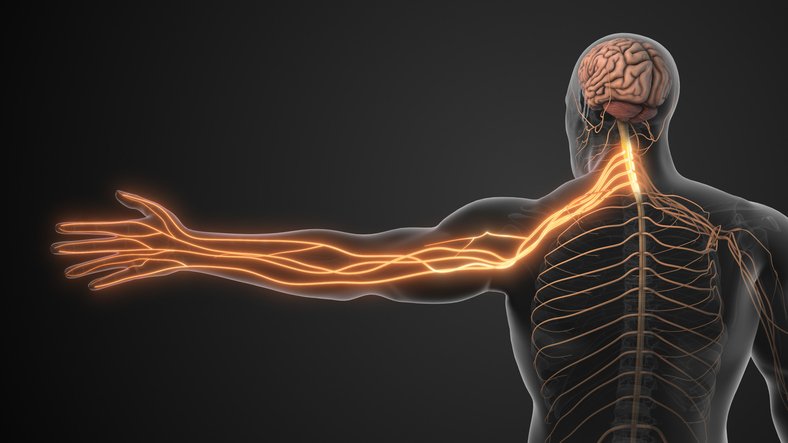
The short list of warning signs is straightforward: numbness or tingling in an arm, hand, leg, or foot; sharp burning pain that shoots down a limb rather than staying in one spot; weakness in a grip or a step; loss of a reflex; or new sensitivity to clothing, water temperature, or light touch. Any of those, in the weeks after a crash, is worth a same-week visit to a doctor. The reason is partly medical and partly legal, and thirty years into representing crash victims across Lee and Collier Counties, I can tell you the two go together more tightly than most people realize.
What Florida law actually says about car-accident injury claims
Before we get to symptoms and what to do, a few statutes that govern every Fort Myers auto case. I want you to understand these in plain English because the deadlines and rules drive the medical decisions you make this week.
Florida PIP — §627.736. Every Florida driver carries Personal Injury Protection. Section 627.736 pays 80% of your reasonable medical bills and 60% of lost wages, up to $10,000. The catch most people miss: to keep the full $10,000 benefit, you have to be seen by a qualified medical provider within fourteen days of the crash. Miss that window and your benefit drops to $2,500. For a pinched nerve workup that may involve an MRI and nerve conduction testing, that gap matters.
Two-year statute of limitations — §95.11(4)(a). Florida used to give you four years to file a negligence lawsuit. The 2023 tort reform cut that in half. Under §95.11(4)(a), you now have two years from the date of the crash. That deadline applies whether your symptoms showed up the day of the wreck or three weeks later. The clock runs from the crash, not from the diagnosis.
Modified comparative negligence — §768.81. Florida is now a 50% bar state. If a jury finds you 51% or more at fault, you recover nothing. If you are at or below 50%, your damages are reduced by your share. Section 768.81 changed in March 2023, and it has changed how the defense investigates every rear-end case I handle on the Daniels Parkway and Six Mile Cypress corridors. They look for any reason to push the plaintiff over 50%.
Uninsured motorist — §627.727. If the driver who hit you was uninsured, underinsured, or fled, your own UM coverage under §627.727 is what protects you. UM is optional in Florida and a lot of drivers reject it to save a few dollars a month. I tell every client and every friend: do not reject UM in writing. It is the single most important coverage you carry.
Six nerve-injury patterns that follow Fort Myers crashes
After three decades of these cases, the same patterns repeat. If your symptoms match one of these, do not dismiss it.
- The two-finger numbness. Numbness and tingling in the pinky and ring finger of one hand, often with a stiff neck. This is a classic C7-C8 cervical root presentation from whiplash. We see it constantly after rear-end collisions on Cleveland Avenue and US-41.
- The shooting arm pain. Sharp, electric pain that runs from the neck or shoulder down the arm into the thumb and first two fingers. Usually a higher cervical root. It often gets worse when you turn your head.
- The hot leg. Burning or shooting pain that starts in the lower back and runs down the back of one leg to the foot. Sciatica from a lumbar disc that herniated in the crash. Common in clients who were T-boned at a Six Mile Cypress Parkway intersection.
- The dropped grip. The client cannot hold a coffee cup, cannot turn a doorknob the way they used to, or keeps dropping a phone. Weakness like that is a motor sign and it means a nerve is not firing right.
- The reflex loss. Sometimes the only objective sign at the first orthopedic visit is a diminished reflex at the knee or ankle. The doctor taps and the leg does not jump the way it should. That alone tells me there is real pathology.
- The hypersensitive skin. The shirt sleeve hurts. The bedsheet hurts. Warm water in the shower feels like a burn. That kind of sensitivity, called allodynia, is a nerve injury sign that often gets dismissed because it sounds odd. It is not odd. It is real.
One pattern that worries me more than the others: symptoms that switch sides or spread. If you wake up with numbness in your right hand on day two and your left hand on day five, that is a different conversation, and it needs to happen with a neurologist that week, not next month.
Why pinched-nerve claims fight harder than they look
Soft-tissue and nerve cases are the cases insurance adjusters love to fight. There is no broken bone on the X-ray. The MRI may show a disc bulge that the defense will argue was there before the crash. Pain is subjective. Numbness is reported, not measured. All of that gives the carrier ammunition.
The way we counter that, after thirty years of doing this work, comes down to four things. First, the fourteen-day rule on PIP forces the medical narrative to start early, and an early narrative is a credible one. Second, objective testing — nerve conduction studies, EMG, MRI with radiculopathy findings — moves a case from “she says she has nerve pain” to “the testing confirms a C6-C7 radiculopathy consistent with the mechanism of injury.” Third, consistent treatment matters. Gaps in care of more than 30 days give the defense a story that you got better and then made it up later. Fourth, the treating doctor’s causation opinion has to be in writing, and it has to tie the radiculopathy to the crash. Without that paragraph in the chart, the case is a coin flip.
The 2023 changes to §768.81 made one other thing harder. The defense now has more incentive to argue that you contributed to the crash — that you were following too closely, that you stopped short, that you were distracted. On a hit-from-behind case on US-41, that argument used to be laughable. Now we get it in deposition every time. I have learned to build the liability investigation in the first thirty days, while the dash-cam footage and the witness memories are still fresh.
A rear-end client we represented in Fort Myers
A case I think about often involved a client who was stopped in traffic on US-41 in Fort Myers when she was rear-ended at speed. The driver who hit her got out, walked around her car, looked at the damage, got back into his vehicle, and drove off. She had the presence of mind to get a partial plate, but it was never enough to track him down. He was gone.
She felt sore at the scene but turned down the ambulance. By day three, the pinky and ring finger on her right hand were numb, and a deep ache was running across her right shoulder blade. She got to the emergency room on day five, well inside the fourteen-day PIP window. The ER ordered imaging, started her on physical therapy, and referred her to pain management. The eventual diagnosis was chronic cervical strain with right C7-C8 radiculopathy.
Because the at-fault driver was a phantom, the recovery had to come from her own uninsured motorist policy under §627.727. We pursued the full UM policy limit and recovered it. The client had several months of physical therapy and pain management, and a year and a half later she still has some residual stiffness when the weather changes, but she is back to work and back to her routine.
The lesson I take from that file is this: a hit-and-run on the busiest stretch of road in Fort Myers does not have to mean a wipeout. Her own UM coverage, plus a medical record that opened inside the fourteen-day window, plus a clean diagnostic picture, gave us everything we needed.
What to do if you notice pinched-nerve symptoms after a Fort Myers crash
This is the part where I want to be specific rather than generic. After three decades of doing this, I have watched what works and what does not. Here is what I tell clients to do the week after a crash, in roughly this order:
- Write down every new symptom on the day it starts. Date and time. Which hand, which leg, which finger. A short note in your phone is enough. I have used this approach with clients for years and it makes the medical-legal chronology much stronger than trying to reconstruct it six months later.
- See a doctor inside fourteen days, even if you feel mostly okay. An urgent care visit counts. Tell the provider every symptom, including the ones that sound minor. The chart entry from that first visit is the foundation of everything later.
- Ask the provider to document an emergency medical condition in plain language if your symptoms qualify. Without that finding, your PIP benefit caps at $2,500.
- Keep your therapy appointments. No gaps of more than two or three weeks. If you have to miss one, reschedule it that same day so the chart shows continuous engagement.
- Photograph any visible bruising for the first ten days. Seatbelt bruising across the chest, knee bruising from the dashboard. These photographs disappear from the body and have to live somewhere.
- Save the car. Or at least save the photographs and the repair estimate. Do not let the insurance company take possession of your vehicle before you have full photographs of all four corners and the interior, including the headrest position and the airbag deployment.
- Do not give a recorded statement to the other driver’s carrier without talking to a lawyer first. They are trained to ask questions that pin you to a story before you know your own diagnosis.
- Pull the crash report yourself. Florida law under §316.066 requires one for most reportable wrecks. Read it. If a fact is wrong, get it corrected in writing. The crash report follows your case for years.
None of that list is generic legal advice. Every item came from watching a case go well or badly because of that one detail.
Key Takeaways
- Pinched-nerve symptoms after a Fort Myers crash often show up two to five days late, not at the scene. Track what changes and write it down.
- Florida PIP under §627.736 pays up to $10,000, but only if you are seen by a qualified provider within fourteen days of the crash.
- The Florida negligence statute of limitations is now two years under §95.11(4)(a) — not four. The clock starts on the day of the wreck.
- Under §768.81, a jury finding you 51% or more at fault wipes out your recovery. Liability investigation in the first thirty days matters more than it used to.
- If the driver who hit you was uninsured or fled, your own UM coverage under §627.727 is what protects you. Do not reject UM in writing when you buy a policy.
Frequently Asked Questions
How long after a Fort Myers car accident can pinched nerve symptoms appear?
Symptoms can show up the day of the crash or wait several days. Adrenaline masks pain at the scene, and disc swelling pressing against a nerve root often takes 48 to 96 hours to build. If numbness, tingling, or shooting pain shows up two or three days later, it is still tied to the crash. Document it the day it starts and get to a doctor that week.
Will PIP pay for nerve testing and treatment after a Fort Myers crash?
Florida PIP under §627.736 pays 80% of reasonable medical bills up to $10,000, but only if you are seen by a qualified provider within 14 days of the crash. To get the full $10,000 benefit instead of the $2,500 cap, the treating doctor has to document an emergency medical condition. Nerve conduction studies and MRIs are reimbursable when ordered for a documented injury.
Can I still recover money if I was partly at fault for the Fort Myers crash?
Yes, as long as you are 50% or less at fault. Florida changed this in 2023 with the amendment to §768.81. Under the old rule, a plaintiff who was 90% at fault could still recover 10%. Under the new rule, if a jury puts you at 51% or higher, your recovery is zero. The shift makes how fault is investigated and argued more important than it used to be.
How long do I have to file a Fort Myers car accident lawsuit?
Two years from the date of the crash for most negligence claims under §95.11(4)(a), since the 2023 reform. That used to be four years. The change caught a lot of injured people off guard, and we have had to turn down otherwise good cases because someone walked through the door 25 months after the wreck. Do not wait.
What if the driver who hit me in Fort Myers had no insurance or fled the scene?
Your own uninsured motorist coverage under §627.727 steps in. UM is the most important coverage most Florida drivers do not realize they have. If you were rear-ended on US-41 by a driver who took off, your UM carrier stands in the shoes of that driver and pays your bodily injury claim up to the policy limit. We have settled a number of hit-and-run files this way.
Talk to our office before you talk to the insurance company
If you are dealing with new numbness, tingling, or shooting pain after a crash on McGregor Boulevard, Cleveland Avenue, Daniels Parkway, Pine Island Road, or anywhere else in Lee County, call our office. The first conversation is free and there is no obligation. We handle these cases on a contingency — no fee unless we recover for you.
Call 239-992-8259 for a free consultation. Our Fort Myers satellite serves the city directly; our main office is at 3525 Bonita Beach Road, Suite 107, Bonita Springs.
About the Author

David B. Pittman, Esq. founded Pittman Law Firm, P.L. and has concentrated on personal injury law in Fort Myers and across Lee County for more than thirty years. The firm handles serious-injury auto and complex-liability cases along the Daniels Parkway, Six Mile Cypress, McGregor Boulevard, Cleveland Avenue, and Summerlin Road corridors, and along I-75 between Estero and Bell Tower.
David is a graduate of The Citadel, The Military College of South Carolina, and the University of South Carolina School of Law. He carries an AV-Preeminent rating with Martindale-Hubbell and is a member of the Multi-Million Dollar Advocates Forum.
David has held a Florida real estate broker license for twenty-five years. The firm handles personal injury cases across Lee and Collier Counties, serving Fort Myers, Bonita Springs, Naples, Cape Coral, Estero, and Lehigh Acres, with offices at Windsor Place in Bonita Springs (main) and Fort Myers (satellite). Call 239-992-8259 for a free consultation.
Disclaimer: This article is for general information and is not legal advice. Reading it does not create an attorney-client relationship with Pittman Law Firm, P.L. Past results do not guarantee a similar outcome. The hiring of a lawyer is an important decision that should not be based solely on advertisements.