

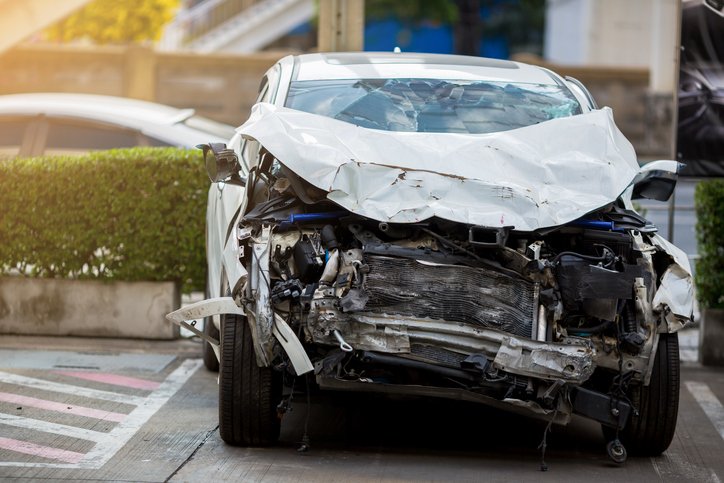
Why Naples Car Accident Rates Spike During Tourist Season 2026
The spike in Naples crash calls between January and April is real. I built our intake calendar around it. What I see from late January through Easter — missed exits on I-75, left-turn-on-yellow crashes on Tamiami Trail North, Immokalee Road rear-ends at long reds — follows a pattern so consistent that the call pattern for season looks nothing like the call pattern for August. The crashes are not random. The roads are the same; the drivers are not.
The legal posture changed sharply after Florida’s 2023 reform. The §768.81 comparative-negligence change turned the last five percentage points of fault into the whole ballgame — at 51 percent you recover nothing. That single rule, more than any other, is why season-crash files require a different strategy than they did three years ago. What follows is what that strategy looks like in plain language.
What Florida law actually says about tourist-season crashes
There is no separate “tourist crash” statute. The same rules apply, but a handful of them do most of the work in these files.
§768.81, Florida Statutes — modified comparative negligence. Since the 2023 reform, if a jury (or an adjuster running the numbers in settlement) finds you more than 50 percent at fault, you recover nothing. If you are 50 percent or less, your recovery is reduced by your share. In plain English, the fight over the last five or ten percentage points of fault is now the whole ballgame in many cases. Read the statute.
§95.11(4)(a), Florida Statutes — two-year deadline. The 2023 reform cut the filing window for negligence cases from four years to two. If your crash happened on or after March 24, 2023, you have two years from the date of the wreck to file suit. Miss that, and the courthouse doors close, no matter how strong the underlying case was. Read the statute.
§627.736, Florida Statutes — PIP, the no-fault medical coverage. Every Florida-registered vehicle carries $10,000 in Personal Injury Protection that pays 80 percent of reasonable medical bills regardless of fault, as long as you are seen by a qualified provider within fourteen days. That fourteen-day window is the one I see missed most often by out-of-town drivers who fly home thinking they will deal with it later. Read the statute.
§627.727, Florida Statutes — uninsured and underinsured motorist coverage. When a tourist driver carries only the home-state minimum, your own UM/UIM policy is often the difference between a real recovery and a token one. We pull the declarations page on every new file because the adjuster will not volunteer it. Read the statute.
§316.066, Florida Statutes — crash reports. Florida requires a long-form crash report when there is injury, death, or a vehicle that must be towed. The report is not admissible at trial for the truth of its contents, but it sets the early narrative the adjusters work from. If the responding deputy got something wrong, fix it early.
Five crash scenarios that account for most of our Naples tourist-season files
The volume goes up during season, but the patterns are not random. These five fact patterns account for the bulk of what we see:
- The missed-exit lane change. A rental-car driver realizes too late they need the next exit off I-75 and cuts across two lanes. The crash usually lands in the right lane or on the shoulder. Fault almost always sits with the lane-changer, but the police report sometimes muddies it.
- The 5th Avenue South parallel-park surprise. A visitor stops mid-block to back into a spot. The car behind, also a visitor, does not expect it. Low-speed, but the soft-tissue injuries are real and the property-damage photos rarely tell the story.
- The US-41 left-turn-on-yellow. Tamiami Trail North between Pine Ridge Road and Vanderbilt Beach Road sees this pattern weekly during peak weeks. A visitor sitting in the turn lane sees what looks like a gap, turns across two lanes of oncoming traffic, and a local driver doing 45 in a 45 has nowhere to go.
- The Immokalee Road rear-end at a long red. Traffic backs up further than out-of-towners are used to. A driver looks down at the GPS, looks up, and the brake lights are six feet away. The 2023 reform changed how these get valued, because the adjuster now argues even the lead driver should have pulled forward to a “safer” spot.
- The Golden Gate Parkway afternoon-storm collision. A Florida thunderstorm drops the visibility in under a minute. Visiting drivers, used to dry-road following distances, do not back off. Hydroplaning at 40 mph on a flooded westbound stretch produces the kind of high-energy crash we typically associate with much higher speed limits.
I list these because the right legal strategy depends on which pattern you are in. The Immokalee Road rear-end and the US-41 left-turn case are not the same file, even if the diagnosis codes on the ER chart look similar.
Four reasons tourist-season crash claims fight harder than a resident-on-resident file
From the outside, these cases sound straightforward. A visitor hits a local, the visitor was clearly inattentive, and the insurance company should pay. In practice, four things make these files harder than a routine resident-on-resident crash.
The driver is gone before the soft-tissue injury shows up. Whiplash, mild traumatic brain injury, and shoulder labrum tears often do not present clearly for forty-eight to seventy-two hours. By then, the visiting driver is in a different state, the rental car is detailed and back in inventory, and the dashcam footage from their car (if any) is wiped. Evidence preservation in season is a race we have to start the day of the wreck.
Two carriers, two states, two sets of rules. The visiting driver’s personal auto policy, the rental company’s coverage, and your own UM coverage can all be in play. Adjusters in three different cities point at each other for the first sixty days. Without someone organizing the timeline, the file goes cold.
The 50-percent cliff in §768.81 changes settlement posture. Before 2023, an insurer might concede 70/30 fault and pay 70 percent of damages. Now, an insurer who thinks they can push the injured driver to 51 percent has every reason to litigate, because at 51 percent the recovery goes to zero. We see more denials and more low-ball offers in the post-reform world than we did in the four years before.
Out-of-state medical records arrive late, if at all. If the injured driver lives in Florida and the tourist driver lives elsewhere, the medical proof is easy. Flip it, and you are coordinating records from a primary-care office in Pennsylvania that has never heard of PIP. Getting those records authenticated for use in a Florida case takes weeks we often do not have.
A case I think about often — and why the first seventy-two hours are the case
Not every file we handle is a tourist-season car crash. One I think about often involved an elderly resident at a facility near McGregor Boulevard in Fort Myers. The family came to us because they had noticed unexplained bruising on their mother’s upper arms, including marks that looked like finger pressure points, and a sharp change in her demeanor. She had become fearful and withdrawn in a way that did not match her baseline.
We took the case the same week. We pushed the facility for staffing records, shift logs, and the camera footage from the common areas. Within a few days, the pattern pointed at one particular staff member whose shifts lined up with every reported incident.
The facility moved fast once we put our findings in writing. The staff member was terminated. We helped the family transfer the resident to a safer facility and worked with the carrier on a confidential settlement that funded her future care and ongoing mental-health support. The dollars mattered, but what mattered more to the family was the photograph the new facility sent two months later: their mother sitting on a porch with a cup of coffee, no longer flinching when anyone walked behind her.
I include this case in a tourist-season post because the same principle applies. The evidence in any injury file is most retrievable in the first seventy-two hours. Wait, and you are reconstructing instead of documenting.
What to do if you are hit by a tourist driver in Naples
This is the action list I give clients on the first call, in the order I give it. None of it is generic.
- Call 911 even if the driver wants to “just exchange info.” A long-form crash report under §316.066 locks in the responding deputy’s observations while the scene is fresh. A handshake exchange in the parking lot at Waterside Shops dissolves the moment the visitor flies home.
- Photograph the rental sticker or out-of-state plate. Rental stickers are usually on the rear bumper or in the windshield. The sticker number lets us trace the rental contract, which tells us the renter’s home insurance and any coverage they bought at the counter.
- Get to a qualified provider within fourteen days. §627.736 ties your PIP medical benefits to that fourteen-day window. Miss it, and you lose the $10,000 in no-fault coverage that pays the first round of bills. I have watched out-of-town visitors lose this benefit because they “felt fine on the drive home” and skipped the urgent-care stop.
- Write down what the other driver said at the scene. Statements like “I’m so sorry, I was looking at my GPS” are admissible as party admissions. By the time we depose the driver six months later, the apology has turned into “traffic just stopped suddenly.” A contemporaneous note in your phone beats memory.
- Pull your own declarations page before you talk to any adjuster. Find your UM/UIM limits, your medical-payments coverage, and any rental reimbursement. If you do not understand what you are reading, send it to us before you respond to the carrier’s first call. I have used this approach with clients many times and noticed they tend to feel steadier in the negotiation when they know what is in their own policy.
- Do not give a recorded statement to the other driver’s insurer. They will call within forty-eight hours and ask for “just a quick recorded statement to close the file.” Decline politely and call us. Nothing good for the injured driver has ever come out of one of those calls.
Key Takeaways
- Naples tourist-season crashes follow five recurring patterns — missed exits, parallel-park surprises, US-41 left-turn-on-yellow collisions, Immokalee Road rear-ends, and afternoon-storm hydroplanes.
- Florida’s 2023 reform (§768.81) made the 50-percent fault line a hard cliff. The fight over the last few percentage points of fault now decides whether you recover anything at all.
- You have two years from the crash date to file suit under §95.11(4)(a). PIP medical benefits under §627.736 require a qualified-provider visit within fourteen days.
- Out-of-state drivers do not get a pass. A Florida crash gives a Florida court jurisdiction over the driver who caused it, regardless of where they live.
- The first seventy-two hours after a wreck are the window when evidence is most retrievable. Photographs, witness contact info, rental stickers, and your own declarations page all matter more than people realize.
Frequently Asked Questions
Q1. When do Naples car accidents actually peak during tourist season?
The heaviest weeks we see in our office run from mid-January through Easter, with a second smaller bump around spring break. US-41 between Pine Ridge Road and 5th Avenue South, plus the Immokalee Road corridor, carry most of the call volume we get during those months.
Q2. What does Florida’s 2023 fault rule mean if I was partly to blame?
Under §768.81, Florida Statutes, you can still recover if you are 50 percent or less at fault, but your recovery is reduced by your share of fault. If a jury or adjuster pegs you at 51 percent or higher, you recover nothing. That is why fault investigation matters more now than it did before March 2023.
Q3. How long do I have to file a car accident claim in Florida?
Under §95.11(4)(a), Florida Statutes, you have two years from the date of the crash to file a negligence lawsuit, cut down from four years in the 2023 reform. Insurance claim notice deadlines can be much shorter. Call us early so we can calendar both.
Q4. If a tourist driver hit me and went home to another state, can I still sue?
Yes. The crash happened in Florida, so a Florida court has jurisdiction over the driver who caused it. We have handled cases against drivers from Ohio, Michigan, Quebec, and Indiana, and serving them at their home address is a routine step, not a roadblock.
Q5. What if the rental car insurance is fighting me?
Rental coverage usually layers on top of the renter’s personal auto policy, and your own uninsured motorist coverage under §627.727 can also step in if the at-fault driver’s limits run out. The stack of coverage is rarely obvious from the first letter the adjuster sends. We map the full coverage picture before we respond.
If you were hit during tourist season, call us
If you have been injured in a Naples car accident, call Pittman Law Firm, P.L. at 239-992-8259 for a free consultation. We work on a contingency basis, which means there is no fee unless we recover for you. The earlier we get involved, the more of the evidence we can preserve while it is still fresh.
About the Author

Since founding Pittman Law Firm, P.L., David B. Pittman, Esq. has spent more than thirty years representing injured clients in Naples and across Collier County, with a sustained focus on serious-injury auto and complex-liability cases. Naples cases run heaviest along US-41, Immokalee Road, Pine Ridge Road, and Vanderbilt Beach Road, and through the older commercial and resort properties along Gulf Shore Boulevard and 5th Avenue South.
David’s training began at The Citadel, The Military College of South Carolina, where he earned his undergraduate degree, and continued at the University of South Carolina School of Law, where he earned his JD. He holds an AV-Preeminent rating from Martindale-Hubbell and is a member of the Multi-Million Dollar Advocates Forum.
David has held a Florida real estate broker license for twenty-five years, a credential that shapes how the firm reads the property side of premises cases. The firm handles personal injury cases across Lee and Collier Counties, serving Fort Myers, Bonita Springs, Naples, Cape Coral, Estero, and Lehigh Acres, with offices at Windsor Place in Bonita Springs (main) and Fort Myers (satellite). Call 239-992-8259 for a free consultation.
The information on this website is for general information purposes only. Nothing on this site should be taken as legal advice for any individual case or situation. This information is not intended to create, and receipt or viewing does not constitute, an attorney-client relationship with Pittman Law Firm, P.L. This is attorney advertising.