

Witness Statements in Fort Myers Accident Claims: What Actually Moves the Needle
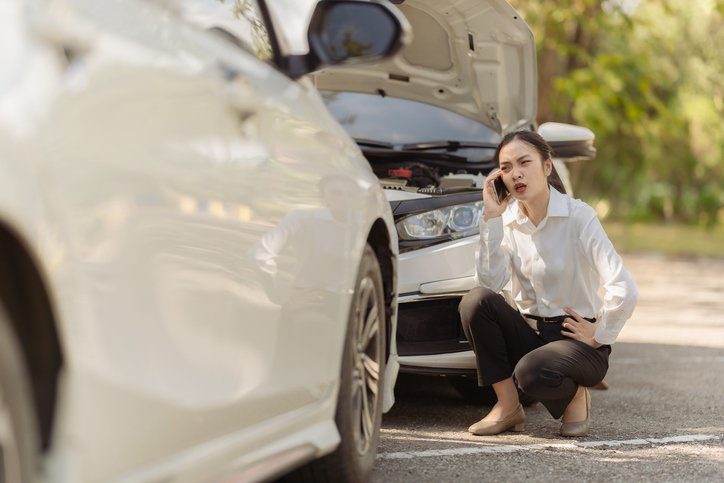
Here is what happens in the first forty-eight hours after a Fort Myers wreck: the driver who hit you calls their carrier. Their carrier takes a recorded statement. The adjuster builds a file that reflects their client’s version of events. If nobody on your side got the bystander’s name before they drove off, you do not have a competing account when the dispute over fault starts.
Witness statements rarely win a case on their own. But a missing witness — the one who saw the other driver run the light at Six Mile Cypress before you ever got there — can quietly cost you tens of thousands of dollars at settlement, and you usually do not find that out until the mediation is already impassed. I want to walk you through how Florida law treats witness accounts, the patterns we see most in our office, and what to do in the first two days after a crash.
What Florida law actually says about witness testimony in injury cases
Two statutes do most of the heavy lifting here, and they both got rewritten by the 2023 tort reform package. If a lawyer is quoting you the old version, find another lawyer.
§768.81, Florida Statutes — Modified Comparative Negligence. Florida used to be a “pure” comparative state — even if you were 90% at fault, you could still collect 10% of your damages. Not anymore. As of March 24, 2023, if a jury finds you 51% or more at fault, you recover nothing. Zero. Plain English: the line that used to be a slope is now a cliff, and a single neutral witness who pushes your share of fault from 51 down to 40 is the difference between a full recovery and walking away with nothing but the bills.
§95.11(4)(a), Florida Statutes — Statute of Limitations. The same 2023 reform cut the negligence statute of limitations in half — from four years to two. Plain English: you have two years from the date of the crash to file suit, and every week that passes makes locating the woman who was walking her dog on McGregor Boulevard that afternoon a little harder. Two years sounds like a long time. It is not.
A third statute worth knowing about, because it intersects with witness work directly, is §316.066, Florida Statutes, which requires a written crash report any time there is injury, death, or apparent property damage over $500. The report itself is not admissible at trial against the driver who filled it out, but the witness names and contact information the deputy writes down on it absolutely are reachable through follow-up. That report is often the only paper trail to the third person who saw your wreck and then drove off.
Five witness types and how adjusters actually read them
Most legal articles list a dozen “types of witnesses.” In practice you see the same handful over and over. Here is what comes through our door, ranked by how often the insurance carrier ends up paying real money behind them.
- The pass-through driver who pulled over. Usually the strongest witness you will get. No connection to anyone, no reason to lie, and almost always has a phone photo of the scene before the cars were moved. The catch — they will not stay long. Get their name and number before they leave.
- The on-duty employee. A landscape crew, a Publix bag boy, a gas-station clerk, a Wawa cashier, a road-construction flagman. They were already on the corner when your wreck happened, and they were already paying attention because traffic is part of their day. Their employer’s surveillance camera is often a bonus.
- The first responder. The Lee County deputy or the Fort Myers Fire-EMS paramedic who arrived first. They are not eyewitnesses to the collision itself, but they observe what the scene looked like before anyone tampered with it — skid marks, debris field, damage pattern, your immediate complaints of pain. We subpoena their incident notes regularly.
- The treating physician. Not technically an eyewitness either, but for a damages fight this is the most important account in the file. The orthopedist who tells the jury the surgical scar on the knee matches a dashboard impact carries more weight than ten lay witnesses.
- The friend or family member who lived with you after. The spouse who watched you struggle to sleep, the daughter who took over the grocery runs, the coworker who covered three months of your route. These accounts do not prove fault — they prove what the injury actually cost you in lived life, which is where Florida juries award the bulk of non-economic damages.
You will notice the engineering witness — what most articles call an accident reconstruction consultant — is not on that list. We use reconstruction engineers regularly on serious cases, but they are not witnesses to your accident. They are professional consultants we retain to explain physics to a jury. Different category, different rules, different cost.
Why witness evidence is harder to preserve than most people expect
Three problems trip people up, and they are the same three problems every time.
Memory does not wait. The misinformation effect — psychologists’ name for the way a recollection drifts every time it gets retold — starts working against you the moment your witness leaves the scene. By the time a defense lawyer is taking their deposition six months later, half of what they “remember” is actually what their cousin asked them about the wreck at Thanksgiving. We do not get to slow this down. We just have to lock the account in writing before it happens.
People do not want to be involved. The most common reason a strong witness disappears is not bad faith — it is that they are afraid of having to take a day off work to sit in a deposition. A short, written statement, taken nicely, with a clear assurance that we will not waste their time, holds onto more witnesses than any subpoena ever has.
Carriers know how to neutralize a passenger. If your only witness is your spouse, the adjuster has a script ready. The script is not unfair on its face — passengers do have a stake — but it is not the whole truth either. The fix is finding one outside witness. Even one. The deputy’s report is the place to start hunting.
A case that turned on the operating-room record
A client came to us after what was supposed to be a routine abdominal procedure. The surgery itself looked fine on paper — discharged the next morning, told to follow up in two weeks. Within a few days she was running a low-grade fever and a dull pain that would not quit. The pain became sharp. The fever climbed. Her primary care doctor sent her for an X-ray on a hunch, expecting to rule out a bowel obstruction.
The case did not turn on a dramatic eyewitness. It turned on the operating-room nursing staff’s contemporaneous count sheet, the surgeon’s deposition, and a former OR nurse we brought in as an independent witness on standard-of-care for instrument counts. The hospital settled on confidential terms before we got to trial. I tell that story whenever a new client asks me whether witness accounts really matter in a medical case — they do, but the witnesses who matter most are often the ones inside the institution that hurt you, and getting them on the record takes a lawyer who has done it before.
What to do if you have witnesses at the scene of a Fort Myers crash
This is the action list I give clients in the first call, in the order I want them done. It is not the generic list you will read on a billboard site. It is what I have watched work and not work over thirty years.
- If you can hold a phone, photograph the cars and the surroundings before they move. Background context — the curve at Summerlin Road, the construction barrels on Six Mile Cypress Parkway, the missing stop-sign reflector at a Pine Island Road intersection — disappears within an hour of the tow truck arriving. The photos do not have to be artistic. They have to exist.
- Ask anyone who stopped for their name, cell number, and a one-sentence account, in that order. Do not start with “what did you see” — most people will freeze. Start with “would you mind if I get your name in case my lawyer needs to call you” and the rest follows naturally.
- Tell the responding deputy or trooper every witness you spotted, by description if not by name. “The lady in the white SUV who pulled into the Walgreens lot.” That sentence in the report has saved more cases than I can count.
- Write down your own account within twenty-four hours, in your own hand, and put it away. Do not send it to anyone. Do not post about the wreck on social media. The contemporaneous note becomes your anchor against the defense lawyer who will, two years later, try to convince a jury that what you remember now is reconstructed.
- Call a lawyer before you give a recorded statement to the other driver’s carrier. Carriers ask questions designed to seed doubt into your own memory. Once the recording exists, we cannot unmake it.
The Fort Myers corridor we see the most witness-heavy crashes on is the stretch of I-75 near Alico Road during rush hour and the Colonial Boulevard intersections feeding into the Edison Mall. Daniels Parkway around the airport runs a close third. If your wreck happened on any of those, there were almost certainly other drivers who saw it. Whether we can find them depends almost entirely on what got done in the first forty-eight hours.
Key Takeaways
- Under Florida’s 2023 modified comparative negligence rule (§768.81), crossing 50% fault means zero recovery — a single neutral witness can be the entire case.
- The statute of limitations for most Florida negligence claims is now two years (§95.11(4)(a)), not four. Witness memories will fade long before that deadline.
- The strongest witness is almost always an unrelated pass-through driver — get a name and cell number before they leave the scene.
- Passenger witnesses count, but adjusters will discount them. Always look for at least one outsider, including names listed on the crash report.
- The first forty-eight hours after a wreck on Cleveland Avenue, Daniels Parkway, or I-75 near Alico Road decide how much of the witness picture survives. Move fast.
Frequently Asked Questions
How soon after a Fort Myers crash should I try to get witness contact information?
Before anyone leaves the scene if you can. Memory drops sharply within the first 24 hours, and most people who saw your wreck on Cleveland Avenue or Daniels Parkway will not stick around once tow trucks arrive. If you are too hurt to ask, that is what the responding deputy is for — make sure their report lists every witness, not just the drivers.
Does Florida’s modified comparative negligence rule make witness statements more important?
Yes, much more important since the 2023 reform to §768.81. If a jury puts you at 51% or more at fault, you recover nothing. A neutral witness who saw the other driver run the light at Six Mile Cypress can be the difference between a 49/51 split and a 20/80 split — same crash, opposite outcomes.
What if there is no police report from my crash?
It happens, usually in low-speed lot collisions or single-vehicle events. Without a report, witness accounts and physical evidence carry the whole case. We have built claims on a Publix cashier who saw the other car back out, and on a landscape crew that watched the whole thing from the median. The earlier we get to those people, the better.
Can my passenger be a useful witness, or will the insurance carrier dismiss them?
They count, but adjusters will discount them. A spouse, child, or coworker riding with you is treated as biased — sometimes fairly, sometimes not. Their account still matters, especially for corroborating impact direction or what the other driver said at the scene, but you want at least one unrelated witness if you can find one.
How long do I have to file suit if a witness later changes their story?
Two years from the crash for most negligence claims under §95.11(4)(a), down from four years before the 2023 reform. That is the outside wall. We move much faster than that in practice because witnesses move, change phones, and forget — every month that passes makes a statement harder to lock in.
Talk to our office before the witnesses are gone
If you were hurt in a Fort Myers crash — on Cleveland Avenue, McGregor Boulevard, Daniels Parkway, Colonial Boulevard, I-75 near Alico Road, or anywhere across Lee County — call our office at 239-992-8259 for a free consultation. I handle the call ourselves, and we will tell you straight whether you have a case worth pursuing. There is no fee unless we recover for you.
About the Author
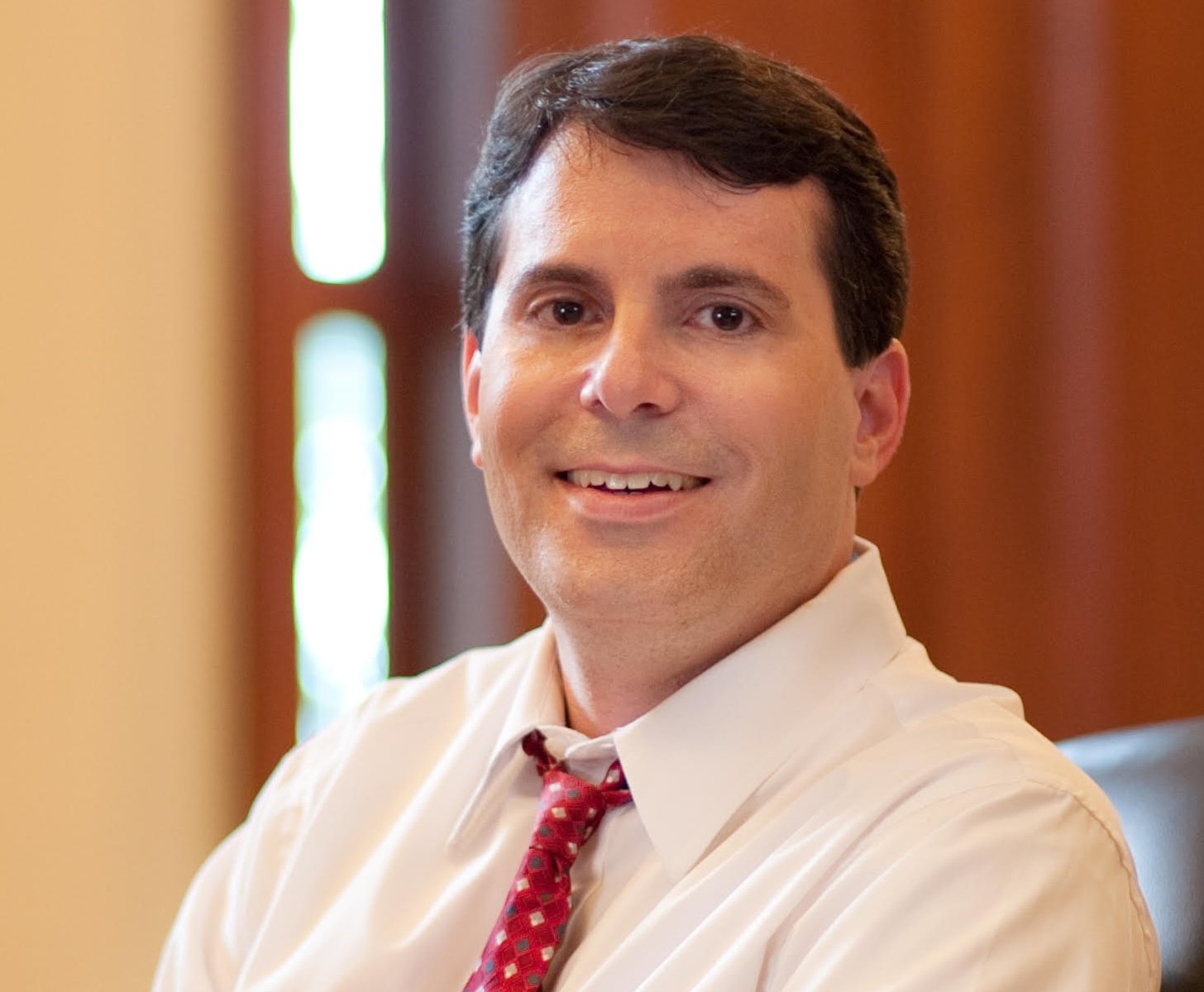
David B. Pittman, Esq. founded Pittman Law Firm, P.L. and has practiced personal injury law in Fort Myers and across Lee County since. The firm’s Fort Myers presence handles a steady stream of serious-injury work along the Daniels Parkway, Six Mile Cypress, McGregor Boulevard, Cleveland Avenue, and Summerlin Road corridors, and along I-75 between Estero and Bell Tower, representing injured clients across Lee and Collier Counties, with a particular focus on commercial-vehicle, complex-liability, and serious-injury cases.
Two South Carolina institutions shaped David’s path: The Citadel, The Military College of South Carolina for undergraduate and the University of South Carolina School of Law for his JD. He is AV-Preeminent at Martindale-Hubbell and a Multi-Million Dollar Advocates Forum member.
David has held a Florida real estate broker license for twenty-five years, a credential that shapes how the firm reads the property side of premises cases. The firm handles personal injury cases across Lee and Collier Counties, serving Fort Myers, Bonita Springs, Naples, Cape Coral, Estero, and Lehigh Acres, with offices at Windsor Place in Bonita Springs (main) and Fort Myers (satellite). Call 239-992-8259 for a free consultation.
This article is for general information and does not create an attorney-client relationship. Past results do not guarantee a similar outcome in any future matter. Pittman Law Firm, P.L., 3525 Bonita Beach Rd, Suite 107, Bonita Springs, FL 34134. Attorney advertising.