

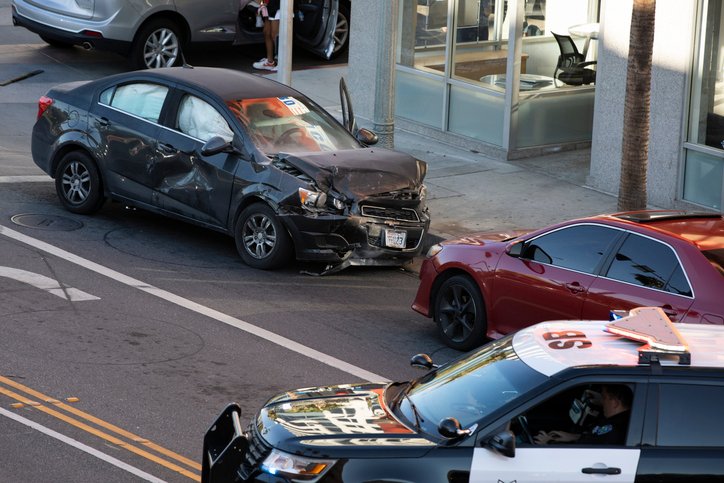
Witness Statements in a Florida Personal Injury Case: What Actually Moves the Needle
Florida’s 2023 tort reform changed one number that matters enormously for witness evidence: 51. Under the new modified comparative negligence rule, if a jury decides you were 51 percent or more responsible for your own injury, you recover nothing. Not a reduced amount. Nothing. A neutral bystander who saw the other driver run the light is no longer just helpful — they can be the difference between a full recovery and walking out of the courthouse with unpaid bills and a car you cannot afford to replace.
I have seen what witness testimony actually does and does not do in Lee and Collier County cases. It will not paper over a weak fault picture, and it will not replace medical records. But in the cases where liability is contested — and post-2023, almost every Florida case is contested — a credible third party who saw the impact can be the single piece of evidence that keeps your percentage of fault on the right side of that line.
What Florida law actually says about witness evidence and fault
Florida does not have a separate statute that lists what makes a witness “good” or “bad.” Witness credibility lives inside the broader rules on negligence, comparative fault, and the time you have to bring a claim. Three statutes matter most.
Modified comparative negligence — §768.81, Fla. Stat. In March 2023, Florida moved from a pure comparative-fault state to a modified one. In plain English: if a jury decides you are 51 percent or more responsible for your own injury, you take home nothing. If you are 50 percent or less, your recovery is reduced by your share of fault. That single legislative change is why witness testimony carries more weight than it did five years ago. The insurance carrier is now actively trying to push you over 50 percent — and a neutral witness is what holds the line.
Two-year statute of limitations — §95.11(4)(a), Fla. Stat. The same 2023 reform cut the negligence filing deadline from four years to two. Two years is not long when you are healing from a serious injury. It is even shorter when you are trying to chase down a witness who has moved out of state or whose phone has changed twice. The statute does not pause while you look — it just runs.
Crash report requirement — §316.066, Fla. Stat. Florida requires a written report whenever a crash causes injury, death, or apparent property damage of $500 or more. The investigating officer’s report will usually list witnesses, but not always — many short-form reports omit anyone the officer did not personally interview. That is why I tell every client never to rely on the crash report as the full witness list. Get names at the scene; do not wait for the report.
Five witness types and how much weight they carry
Most of what we deal with falls into one of five patterns. Each one carries a different weight with an adjuster.
- The independent bystander. A stranger on the sidewalk, a driver behind you, a pedestrian at the crosswalk. No connection to either party. This is the strongest witness in Florida personal injury law. Adjusters know they have no reason to color the story.
- The passenger in your own vehicle. Helpful for impact dynamics, injury onset, and what the other driver said at the scene, but carriers discount the testimony because the passenger is presumed loyal to you. Still take it; just do not lean the case on it.
- The passenger in the other vehicle. Sometimes a goldmine — passengers occasionally tell the truth that contradicts their own driver. Sometimes the opposite. We lock the statement down early before they have a chance to talk to the other driver’s lawyer.
- First responders. Florida Highway Patrol troopers, Lee County and Collier County deputies, EMS, fire-rescue. Their statements are not eyewitness in the strict sense, but their observations of skid patterns, vehicle positions, and admissions at the scene are persuasive.
- The treating physician. Not a scene witness, but the person who connects the injury to the crash. In a state where insurance carriers routinely argue your back pain pre-existed the wreck, the treating physician who took the first imaging is often the most important voice in the file.
Why the two-year deadline matters more for witnesses than most clients realize
The legacy AI version of this article — and frankly a lot of the legal internet — treats witnesses like a video recorder you can call up later. That is not how memory works, and it is not how Florida juries treat it.
Memory degrades, and it degrades fast. Within a week, most people cannot tell you which lane the other car was in. Within a month, they have unconsciously filled gaps with what they later read or were told. By the time a case is in litigation eighteen months later, the witness sincerely believes their reconstructed memory is the original — and a competent defense lawyer will use that on cross-examination.
Florida juries also know what a paid witness looks like. We do use reconstruction engineers, biomechanical engineers, and treating physicians in complex cases. They are powerful when needed. They are also exactly the kind of paid testimony that defense lawyers attack as “for hire.” The cleanest case I can build is one where the science backs up an ordinary person who happened to be standing on the corner of Bonita Beach Road and Old 41 at 4:30 on a Tuesday afternoon and saw what happened. That person costs nothing and is hard to discredit.
Reluctance is the other quiet problem. Many Florida witnesses simply do not want to be involved. They worry about taking a day off work to give a deposition, about showing up in a courthouse in Fort Myers or Naples, about having their name in a public record. Part of our job is to make that process less painful — most depositions in Lee and Collier Counties are now done by Zoom, and the witness rarely has to set foot in a courtroom.
What to do if you have witnesses after a Florida crash
- At the scene, get a name and a cell number — that is it. Do not try to take a written statement on the shoulder of I-75. People will not stop long enough to write, and you will not remember the details either. A name and a phone number on the back of a business card or in your phone’s notes is plenty.
- Ask one specific question and let them answer. “Can you tell me what you saw?” — not “You saw him run the light, right?” A leading question kills the value of the answer later when the other side’s attorney finds it.
- If you have voice-memo on your phone and the witness agrees, record it. Florida is a two-party consent state for recordings. Ask first, out loud, on the recording. “Do I have your permission to record what you saw?” That single sentence saves the recording from being thrown out.
- Photograph where the witness was standing or sitting. Vantage point is the first thing defense lawyers attack. A photograph from the witness’s actual viewpoint, taken before vehicles are moved, is hard to argue with later.
- Call a lawyer within days, not months. Not because we are in a hurry to sign you up, but because a preservation letter sent to a witness in week one lands differently than a letter sent in month six. By month six, the witness has moved, changed numbers, or simply forgotten.
I have used this approach with clients across Bonita Springs, Fort Myers, and Naples for thirty years, and the cases where we lock witness contact information down in the first seventy-two hours almost always settle for more than the cases where we are chasing the same witnesses from a partial police report nine months later.
Key Takeaways
- Florida’s 2023 shift to modified comparative negligence under §768.81 means an independent witness is no longer just helpful — they can decide whether you recover at all.
- The two-year filing window under §95.11(4)(a) is short. Witness memories degrade faster than the statute runs.
- Independent bystanders outweigh passengers, and passengers outweigh the parties. Adjusters assign credibility in that order whether they say so or not.
- A name and a cell number at the scene is worth more than a polished statement weeks later. Two-party consent applies if you record, so ask out loud first.
- A “witness” in a Florida case is not always a person. Imaging, maintenance logs, and event-data recorders often carry the same evidentiary weight as a human bystander.
Frequently Asked Questions
Q1. How soon should I get a witness’s name and number after a Florida crash?
Before you leave the scene if you safely can. Memory is sharpest in the first hours, and most strangers will not stop a second time. A phone number and a one-sentence note of what they saw is worth more than a polished statement taken two months later.
Q2. Does Florida’s 2023 comparative-fault rule change how witnesses matter?
Yes. Under §768.81, a Florida plaintiff who is found more than 50 percent at fault recovers nothing. An independent witness who puts the other driver at 60 or 70 percent is no longer just helpful — they can be the difference between a full recovery and a zero.
Q3. Can a passenger in the other car be a witness?
They can give a statement, but most insurance adjusters treat passengers as aligned with their driver. We still take the statement, lock it down, and then look for an independent witness on the sidewalk, in another vehicle, or on a nearby business’s camera to corroborate.
Q4. What if the only witness will not return my calls?
That is one of the most common reasons people call our office. We can send a formal preservation letter, run a skip-trace on the address, and if the case is in suit we can subpoena the witness for a deposition under oath. People who ignore a voicemail tend to answer a subpoena.
Q5. Do witness statements have to be sworn or notarized to count?
Not for an insurance claim. A signed, dated written statement, an audio recording with the witness’s permission, or even a clear text message can move a claim. A sworn affidavit or deposition transcript carries more weight if the case proceeds to litigation.
If You Were Hurt in a Southwest Florida Crash, Call Our Office
If you were injured in a wreck on I-75, US-41, or anywhere across Lee or Collier Counties and you are wondering whether your witnesses are enough, call our office. We will look at the police report, the contact information you do have, and the gaps, and we will tell you straight. The call is free. There is no fee unless we recover for you. Call 239-992-8259 or reach us at our main office at Windsor Place, 3525 Bonita Beach Rd, Suite 107, Bonita Springs, FL 34134.
About the Author
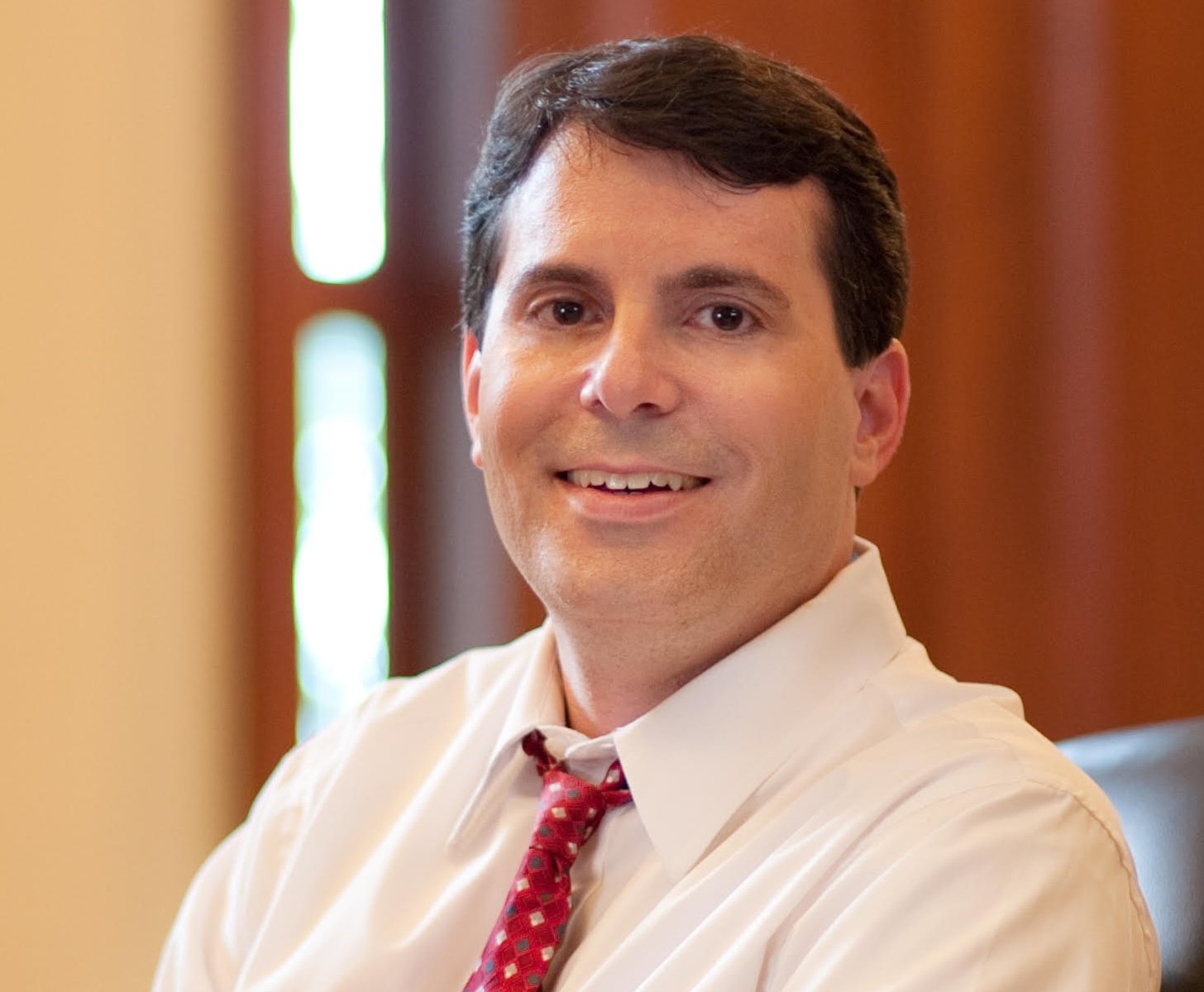
Pittman Law Firm, P.L., founded by David B. Pittman, Esq., has built thirty-plus years of personal injury practice across Southwest Florida. The firm represents injured clients across Lee and Collier Counties — from the firm’s main office at Windsor Place on Bonita Beach Road through Fort Myers, Naples, Estero, Cape Coral, and Lehigh Acres, with a particular focus on commercial-vehicle, complex-liability, and serious-injury cases.
Two schools made the lawyer: The Citadel, The Military College of South Carolina, and the University of South Carolina School of Law. The recognition followed: AV-Preeminent at Martindale-Hubbell, membership in the Multi-Million Dollar Advocates Forum.
David has held a Florida real estate broker license for twenty-five years, a credential that shapes how the firm reads the property side of premises cases. The firm handles personal injury cases across Lee and Collier Counties, serving Fort Myers, Bonita Springs, Naples, Cape Coral, Estero, and Lehigh Acres, with offices at Windsor Place in Bonita Springs (main) and Fort Myers (satellite). Call 239-992-8259 for a free consultation.
This article is for general information about Florida law and is not legal advice. Reading it does not create an attorney-client relationship with Pittman Law Firm, P.L. Every case turns on its own facts. The hiring of a lawyer is an important decision that should not be based solely on advertising.